What a heat pump actually is.
And how to size one for your home.
A heat pump moves heat instead of burning fuel — delivering 2–4 units of warmth per unit of electricity. Here's how they work, where they work, and how to size yours right.
What is a heat pump and how does it work?
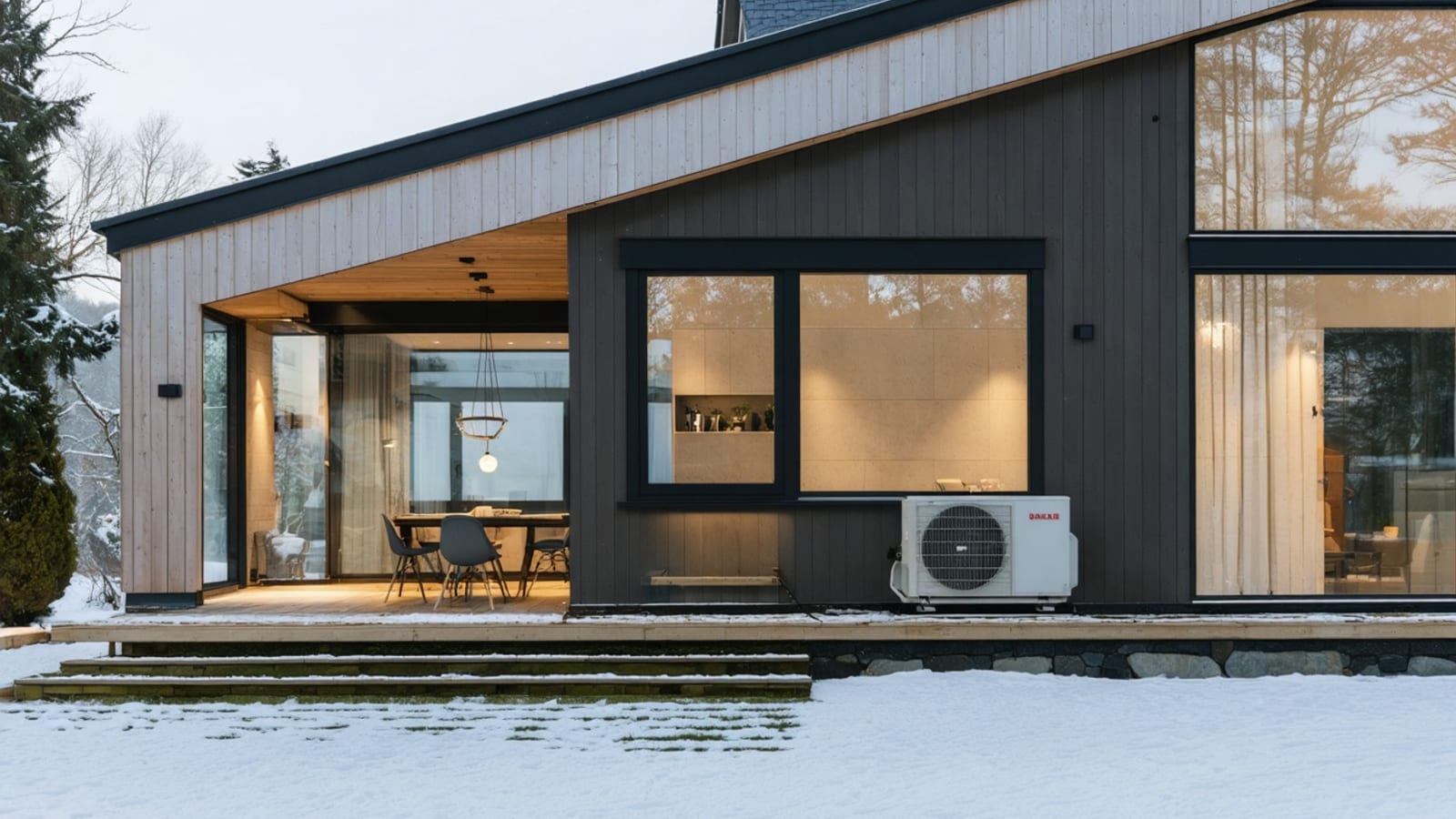
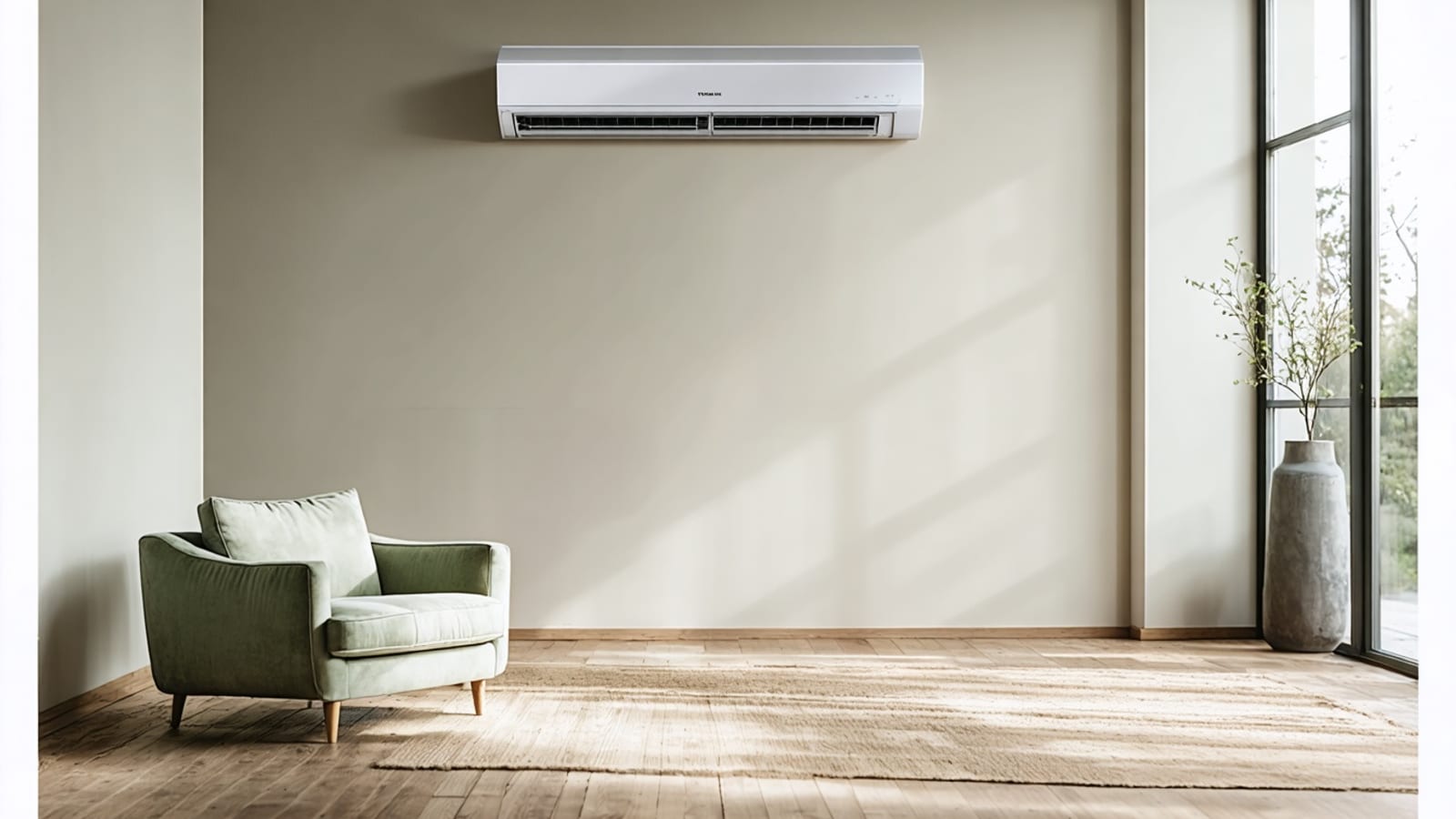
A heat pump is an electric appliance that moves heat instead of burning fuel — providing both heating and cooling from a single system. Modern cold-climate units maintain full efficiency down to negative fifteen degrees Fahrenheit. Typical residential installs range from two to five tons depending on home size, climate zone, and insulation quality.
How heat pumps work
A heat pump uses the same refrigerant cycle as your refrigerator, run in reverse. In heating mode, refrigerant evaporates outside — pulling heat from ambient air, even at sub-freezing temperatures — compresses and condenses indoors, releasing that heat into the home. In cooling mode, the cycle reverses. One unit does both.
Because a heat pump moves heat instead of creating it, the efficiency exceeds 100%. A "COP" (coefficient of performance) of 3.0 means three units of heating energy delivered for one unit of electricity consumed. Modern cold-climate models hold COP above 2.0 at 5°F.
Cold-climate performance
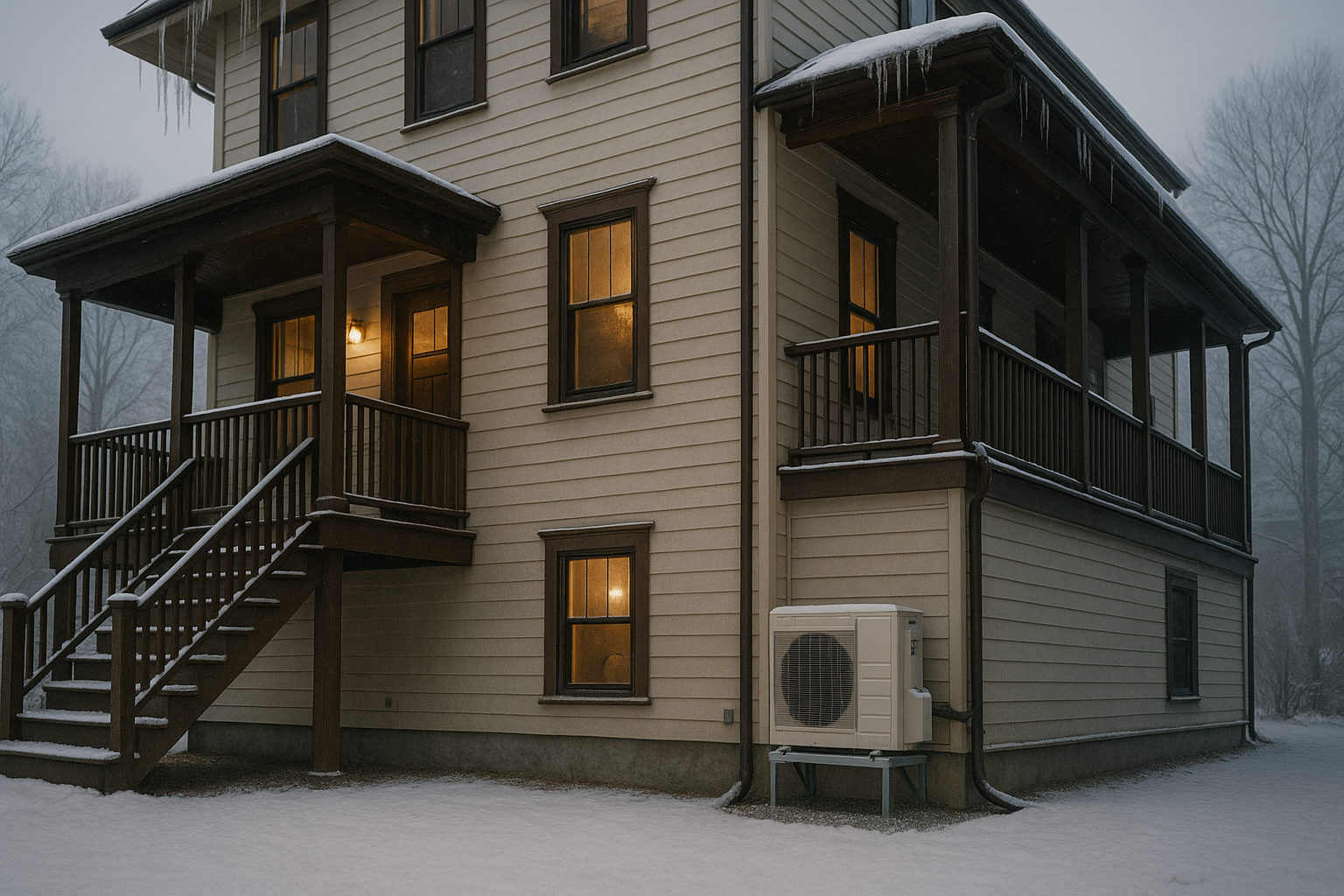
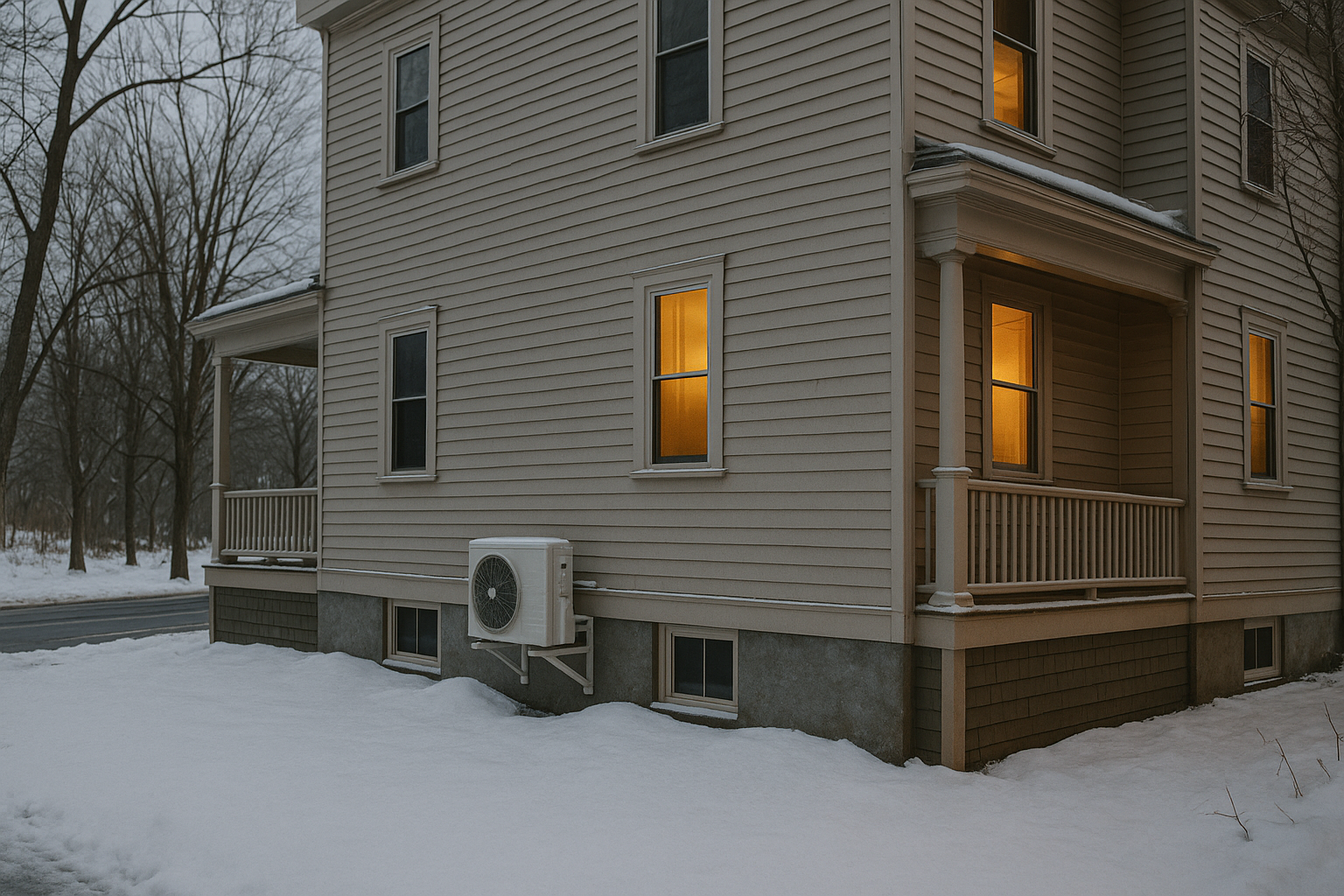
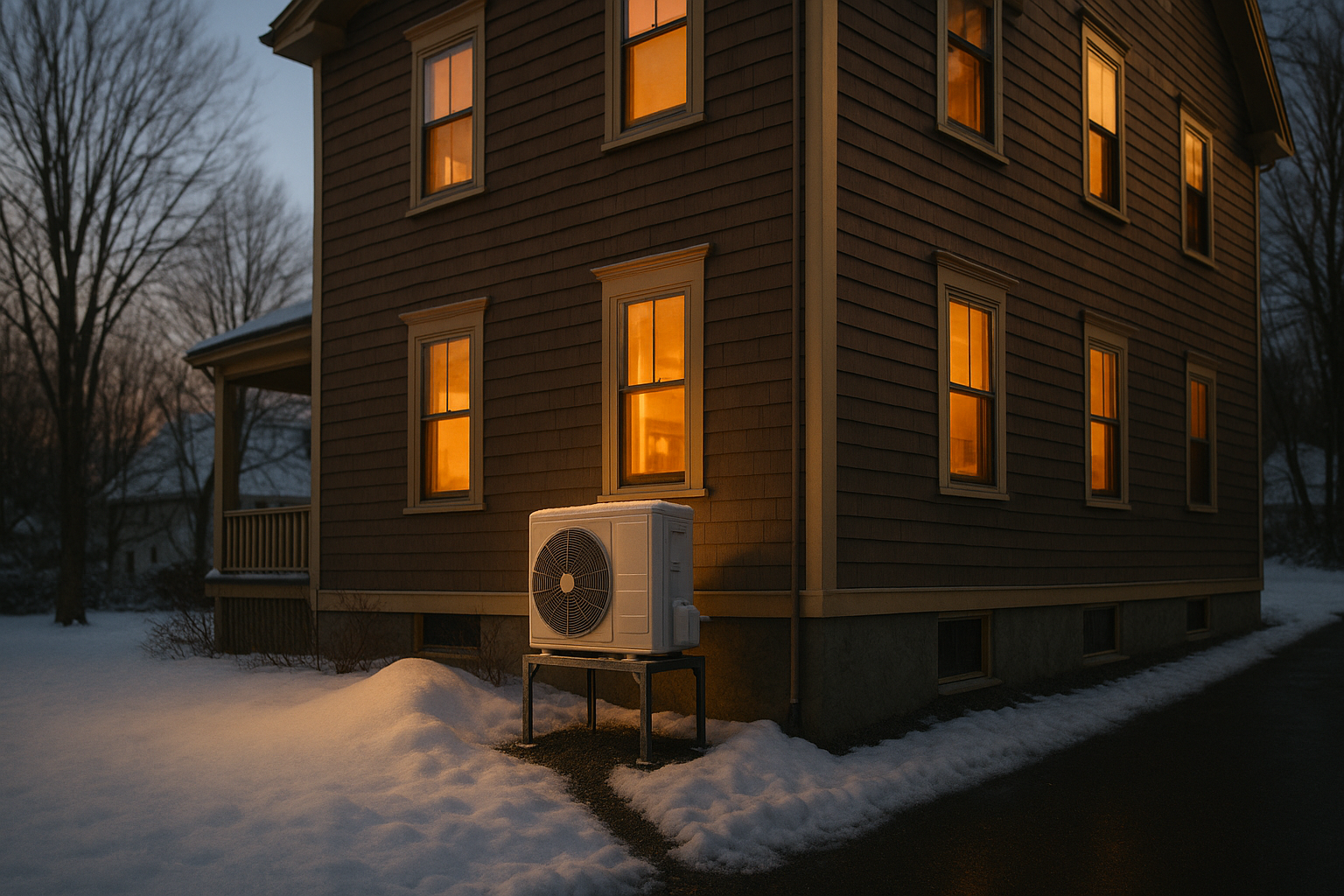
The old "heat pumps don't work in the cold" objection died around 2018. Inverter-driven variable-speed compressors plus enhanced vapor injection (EVI) allow cold-climate heat pumps (CCHP) to maintain rated capacity down to -15°F, with continued operation to -22°F at reduced capacity.
Proven cold-climate installations in Vermont, Maine, Minnesota, and Alaska have run continuous winters with no backup heat. The models most commonly specced by installers in the Northeast and upper Midwest:
- Mitsubishi Hyper-Heat (H2i) — extended low-temperature operation, ducted and ductless, most common heat pump in the US Northeast
- Daikin FIT / Aurora — strong cold performance, price/perf leader
- Fujitsu XLTH — Halcyon line, often the specifier for Vermont/Maine installs
- Bosch IDS Premium — ducted cold-climate, favored for retrofit
Sizing (Manual J, briefly)
Proper sizing is the single most important decision in a heat pump install. Oversizing wastes money and short-cycles the compressor; undersizing leaves you with backup-heat calls at 10°F.
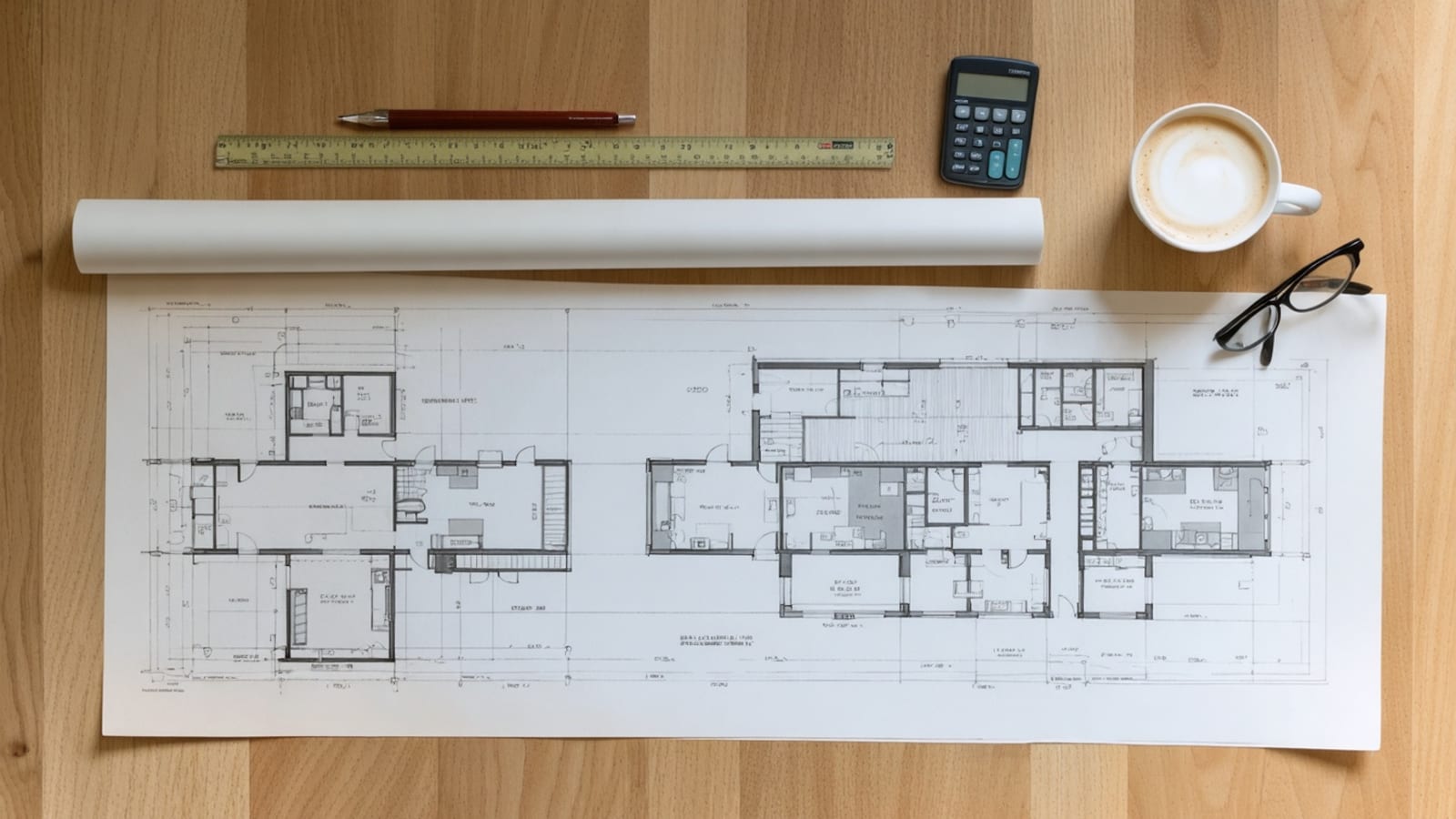
A Manual J load calculation combines: square footage, insulation, window area, window orientation, air infiltration rate, climate zone. A qualified installer runs the calculation using software (Wrightsoft, Cool Calc) that outputs heating and cooling loads in BTU/hr. Divide by 12,000 to get tonnage.
The ElectrifyAtlas calculator runs a fast Manual J approximation for initial planning — real Manual J requires an in-home visit with a blower-door test. Use our number as a sanity check against any installer proposing more than 20% above or below.
Ready to price it out?
See your rebate stack, then size and quote.
The engineering deep dives
Sizing, cold-climate performance, installer vetting, and mini-split vs central comparisons — for buyers who want depth before signing a contract.












Size yours in 60 seconds.
Manual J approximation + install cost range + 10-year TCO.